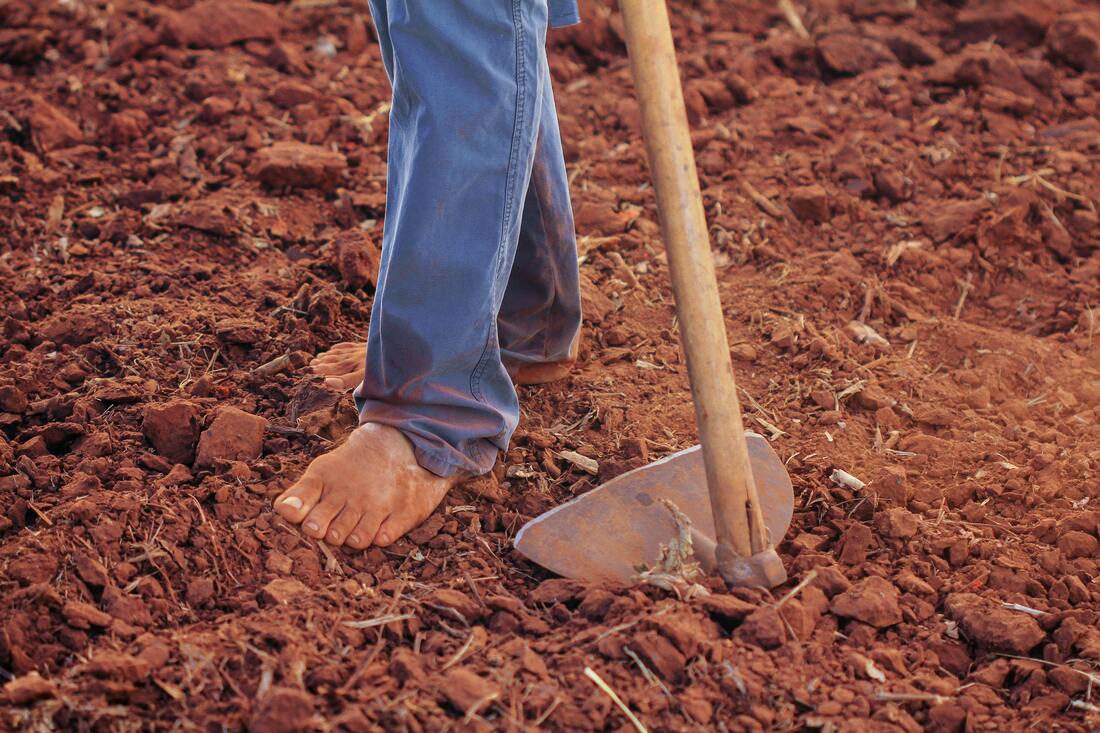

A folding shovel (also called an e-tool) is a small, take-anywhere tool that folds up. It's mainly for digging, cutting, and chopping. It's made to be light so you can take it when you travel.
**What's it made of?**
Here's a breakdown of what you'll usually find:
* **Blade:** The bit that digs. It might be flat or a bit curved. Some have a tooth-like edge for sawing.
* **Handle:** Where you hold it. Could be metal, wood, or tough plastic.
* **Folding Thing:** This lets you fold the shovel and keep it locked open in different shapes (like a shovel or a pick).
* **Lock Ring:** This keeps the shovel from folding up on you while you're using it.
* **Bag:** To contain your shovel for trips. Usually made of from nylon or fabrics.
**How does it fold?**
Most folding shovels fold in a couple of ways:
* Two-piece: The blade folds back against the handle. Super simple.
* Three-piece: The blade and handle fold up small.
* Telescopic: The handle slides down. These tend to be stronger.
Some let you change the angle of the blade, so you can use it like a hoe or pick.
**What are they made from?**
* **Blade:** Usually strong steel, or sometimes titanium. Steel can rust, but some steels resist that.
* **Handle:** Steel (strong, but heavy), aluminum (light), plastic (weatherproof), or wood.
* **Lock:** Steel or super-tough alloy. This part NEEDS to be strong.
**What's it for?**
* **Outdoors:**
* Digging fire pits
* Clearing water away during floods
* Chopping small tree parts
* You can use it as a hammer or pickaxe.
* Break the window to escape a vehicle or home.
* Moving snow.
* **Military:**
* Digging foxholes
* Taking it in backpacks.
* **Everyday life:**
* Keeping it in your car for snow or mud
* Gardening or camping
**How big is it?**
* **Tiny:**
* Blade: 4-5 inches wide
* Total Length: 1-1.3 ft
* Weight: Less than a pound
* **Normal:**
* Blade: About half a foot wide
* Total Length: 1.5-2 ft
* Weight: Around 2 pounds
* **Heavy-Duty:**
* Blade: Close to a foot wide
* Total Length: 2-2.3 ft
* Weight: 3-4 pounds
**Extra Stuff**
Some shovels come with extra tools:
* Serrated edge for sawing
* Hammer
* Fire starter
* Knife
* Bottle opener
* Compass
* Screwdriver bits
* Pickaxe (on the back of the blade)
**A Quick Look Back**
* Back in the day: Military shovels were just wood and didn't fold.
* World War times: They made folding ones so soldiers could dig holes and hide.
* Later on: They got smaller and stronger.
* Now: Made with lighter materials.
**Taking Care:**
* Clean it after using
* Dry it
* Oil the moving parts
* Sharpen the blade
* Keep it dry when you're not using it
* Make sure the lock is working
**Uh Oh, Problems:**
* Loose hinge: Tighten the bolt
* Rust: Sand and oil it
* Lock doesn't work: Replace it
* Handle bends: Don't try to move huge rocks
**Be Careful**
* Don't dig in protected nature areas
* Don't use it as a weapon
* Watch your fingers when folding
**How to Pick One**
* What will you use it for? Get a strong one if you will pry heavy rocks.
* Get steel that won't rust
* Make sure the lock feels solid
* Get a handle that fits your hand
* Make sure it folds small to fit in your pack
**What's it made of?**
Here's a breakdown of what you'll usually find:
* **Blade:** The bit that digs. It might be flat or a bit curved. Some have a tooth-like edge for sawing.
* **Handle:** Where you hold it. Could be metal, wood, or tough plastic.
* **Folding Thing:** This lets you fold the shovel and keep it locked open in different shapes (like a shovel or a pick).
* **Lock Ring:** This keeps the shovel from folding up on you while you're using it.
* **Bag:** To contain your shovel for trips. Usually made of from nylon or fabrics.
**How does it fold?**
Most folding shovels fold in a couple of ways:
* Two-piece: The blade folds back against the handle. Super simple.
* Three-piece: The blade and handle fold up small.
* Telescopic: The handle slides down. These tend to be stronger.
Some let you change the angle of the blade, so you can use it like a hoe or pick.
**What are they made from?**
* **Blade:** Usually strong steel, or sometimes titanium. Steel can rust, but some steels resist that.
* **Handle:** Steel (strong, but heavy), aluminum (light), plastic (weatherproof), or wood.
* **Lock:** Steel or super-tough alloy. This part NEEDS to be strong.
**What's it for?**
* **Outdoors:**
* Digging fire pits
* Clearing water away during floods
* Chopping small tree parts
* You can use it as a hammer or pickaxe.
* Break the window to escape a vehicle or home.
* Moving snow.
* **Military:**
* Digging foxholes
* Taking it in backpacks.
* **Everyday life:**
* Keeping it in your car for snow or mud
* Gardening or camping
**How big is it?**
* **Tiny:**
* Blade: 4-5 inches wide
* Total Length: 1-1.3 ft
* Weight: Less than a pound
* **Normal:**
* Blade: About half a foot wide
* Total Length: 1.5-2 ft
* Weight: Around 2 pounds
* **Heavy-Duty:**
* Blade: Close to a foot wide
* Total Length: 2-2.3 ft
* Weight: 3-4 pounds
**Extra Stuff**
Some shovels come with extra tools:
* Serrated edge for sawing
* Hammer
* Fire starter
* Knife
* Bottle opener
* Compass
* Screwdriver bits
* Pickaxe (on the back of the blade)
**A Quick Look Back**
* Back in the day: Military shovels were just wood and didn't fold.
* World War times: They made folding ones so soldiers could dig holes and hide.
* Later on: They got smaller and stronger.
* Now: Made with lighter materials.
**Taking Care:**
* Clean it after using
* Dry it
* Oil the moving parts
* Sharpen the blade
* Keep it dry when you're not using it
* Make sure the lock is working
**Uh Oh, Problems:**
* Loose hinge: Tighten the bolt
* Rust: Sand and oil it
* Lock doesn't work: Replace it
* Handle bends: Don't try to move huge rocks
**Be Careful**
* Don't dig in protected nature areas
* Don't use it as a weapon
* Watch your fingers when folding
**How to Pick One**
* What will you use it for? Get a strong one if you will pry heavy rocks.
* Get steel that won't rust
* Make sure the lock feels solid
* Get a handle that fits your hand
* Make sure it folds small to fit in your pack
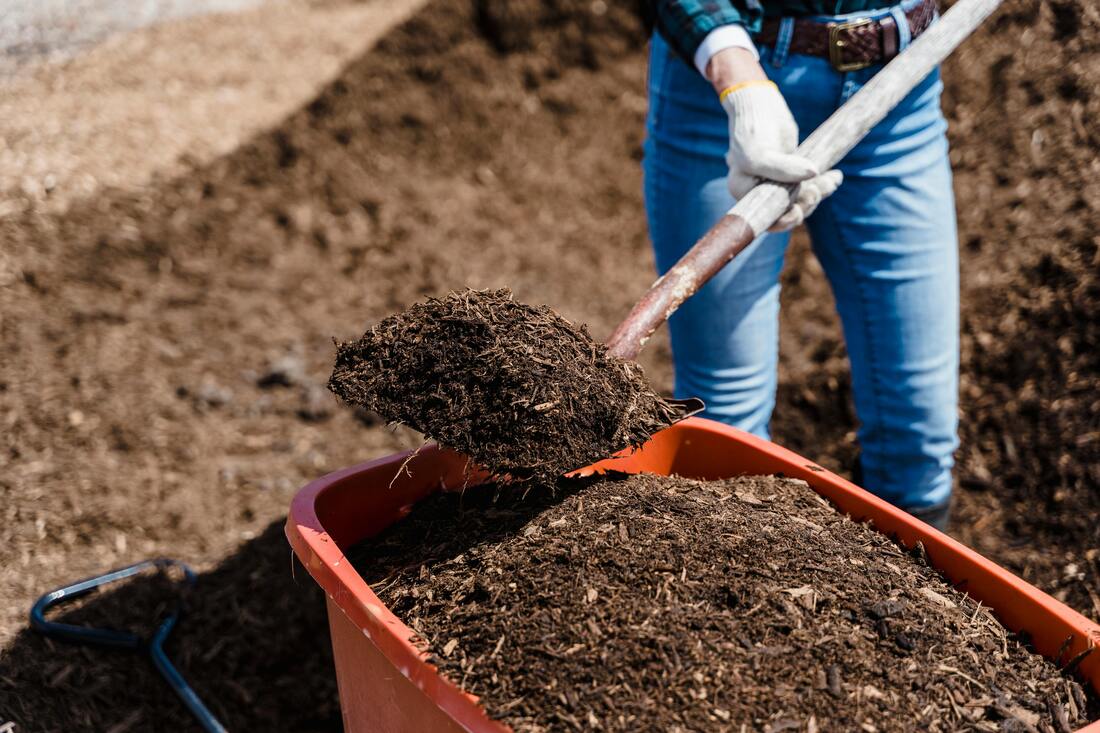
**13. Different Kinds of Folding Shovels**
1. **Tactical/Military Shovels:**
These are usually small, tough, and do a lot of things.
The blade can spin around to be a pick or a hoe.
You can dig trenches, chop stuff, or hammer with them.
They often have handles that don't slip and strong locks.
2. **Backpacking/Survival Shovels:**
They're light and small for hiking or camping.
The handles are usually aluminum or plastic to keep the weight down.
A lot of times, they have other tools built-in, like a saw, fire starter, or compass.
3. **Car/Emergency Shovels:**
Made for getting out of snow, sand, or mud.
They have a strong blade and sometimes a handle that slides in and out.
You can also use them to scrape ice or break a window if you need to.
4. **Heavy-Duty/Work Shovels:**
For building stuff, digging, or rescue work.
They have a bigger blade, a strong hinge, and sometimes you can take the head off to replace it.
They can weigh over 4 pounds, so you don't want to take them backpacking.
**14. Extra Features**
A lot of new folding shovels have extra tools:
* Serrated Edge: Saws small branches or roots
* Pickaxe Mode: Break ice, hard soil, or rocks
* Hammer spot: Hammer stakes or tent poles
* Bottle opener/screwdriver: quick fix or camping thing
* Flint Rod slot: Fire-starting in survival kits
* Stuff spot in the handle: Holds matches, small fishing hooks, or first-aid items
**15. Stuff to Know**
If you're checking out or making a folding shovel, here's what to think about:
* Blade thickness: 2–5 mm for steel; thicker for rough use.
* Blade length: usually around 6–8 inches
* Handle stuff: Aluminum for light weight; steel for tough use
* How much it can hold: 110-220 pounds
* Hinge strength: Tested a bunch to make sure it folds okay.
* Rust proof: Steel that's coated, or stainless steel
**16. When to Use Different Shovels**
1. **Camping**
* Digging fire pits, drainage, and bathroom spots.
* Making a flat spot for your tent.
* Chopping small stuff and clearing brush.
2. **Off-Roading/Overlanding**
* Getting your car unstuck from sand or snow.
* Digging around tires that are stuck.
* Lightweight tool for quick fixes.
3. **Survival**
* Building shelters by digging trenches for tents.
* Getting food by digging for roots or small animals, or making cooking pits.
* Getting ready for a fire by making a spot for it.
4. **Tactical/Military**
* Making foxholes and places to hide.
* Digging to hide stuff.
* Another tool for digging in or doing random jobs.
**17. Folding vs. Sliding Shovels**
| Feature | Folding | Sliding |
| :------------- | :---------------------------- | :--------------------------- |
| Easy to Carry | Smaller when folded | A little longer when folded |
| Strong | Hinges can break if you push it | Stronger handle |
| Does More | Can be a pick, hoe, or shovel | Main shovel |
| Easy to Handle | Gotta unfold and lock it | Just slide the handle |
**18. Making Your Own**
* Handle grip: Wrap it with rope for padding and to grip better.
* Sharpen the edge: Use a file to cut small roots or ice.
* Make a case: Add loops to attach to your belt or backpack.
* Replaceable heads: Add a small saw, or pick
* Stronger hinge: Use a stronger bolt for rough digging.
**19. Taking Care of It**
* Oil the hinge once in a while if you use it a lot outside.
* Check the screws before you go out.
* Don't push it too hard; don't pry stuff a lot.
* Clean the edges so they don't get dull.
* Oil the steel blades if you're not using them for a while; aluminum blades just need to be wiped down.
**20. Buying Stuff**
* What are you using it for? Backpacking, your car, military stuff, or work?
* How much does it weigh versus how strong is it? Aluminum is light stuff, steel is strong
* How long when folded: small enough for your pack, glove box, or belt.
* Does it lock well? Don't get one with loose hinges.
* Extras: Only get what you're going to use.
* Weather proof: Powder-coated steel or stainless stuff doesn't rust.
1. **Tactical/Military Shovels:**
These are usually small, tough, and do a lot of things.
The blade can spin around to be a pick or a hoe.
You can dig trenches, chop stuff, or hammer with them.
They often have handles that don't slip and strong locks.
2. **Backpacking/Survival Shovels:**
They're light and small for hiking or camping.
The handles are usually aluminum or plastic to keep the weight down.
A lot of times, they have other tools built-in, like a saw, fire starter, or compass.
3. **Car/Emergency Shovels:**
Made for getting out of snow, sand, or mud.
They have a strong blade and sometimes a handle that slides in and out.
You can also use them to scrape ice or break a window if you need to.
4. **Heavy-Duty/Work Shovels:**
For building stuff, digging, or rescue work.
They have a bigger blade, a strong hinge, and sometimes you can take the head off to replace it.
They can weigh over 4 pounds, so you don't want to take them backpacking.
**14. Extra Features**
A lot of new folding shovels have extra tools:
* Serrated Edge: Saws small branches or roots
* Pickaxe Mode: Break ice, hard soil, or rocks
* Hammer spot: Hammer stakes or tent poles
* Bottle opener/screwdriver: quick fix or camping thing
* Flint Rod slot: Fire-starting in survival kits
* Stuff spot in the handle: Holds matches, small fishing hooks, or first-aid items
**15. Stuff to Know**
If you're checking out or making a folding shovel, here's what to think about:
* Blade thickness: 2–5 mm for steel; thicker for rough use.
* Blade length: usually around 6–8 inches
* Handle stuff: Aluminum for light weight; steel for tough use
* How much it can hold: 110-220 pounds
* Hinge strength: Tested a bunch to make sure it folds okay.
* Rust proof: Steel that's coated, or stainless steel
**16. When to Use Different Shovels**
1. **Camping**
* Digging fire pits, drainage, and bathroom spots.
* Making a flat spot for your tent.
* Chopping small stuff and clearing brush.
2. **Off-Roading/Overlanding**
* Getting your car unstuck from sand or snow.
* Digging around tires that are stuck.
* Lightweight tool for quick fixes.
3. **Survival**
* Building shelters by digging trenches for tents.
* Getting food by digging for roots or small animals, or making cooking pits.
* Getting ready for a fire by making a spot for it.
4. **Tactical/Military**
* Making foxholes and places to hide.
* Digging to hide stuff.
* Another tool for digging in or doing random jobs.
**17. Folding vs. Sliding Shovels**
| Feature | Folding | Sliding |
| :------------- | :---------------------------- | :--------------------------- |
| Easy to Carry | Smaller when folded | A little longer when folded |
| Strong | Hinges can break if you push it | Stronger handle |
| Does More | Can be a pick, hoe, or shovel | Main shovel |
| Easy to Handle | Gotta unfold and lock it | Just slide the handle |
**18. Making Your Own**
* Handle grip: Wrap it with rope for padding and to grip better.
* Sharpen the edge: Use a file to cut small roots or ice.
* Make a case: Add loops to attach to your belt or backpack.
* Replaceable heads: Add a small saw, or pick
* Stronger hinge: Use a stronger bolt for rough digging.
**19. Taking Care of It**
* Oil the hinge once in a while if you use it a lot outside.
* Check the screws before you go out.
* Don't push it too hard; don't pry stuff a lot.
* Clean the edges so they don't get dull.
* Oil the steel blades if you're not using them for a while; aluminum blades just need to be wiped down.
**20. Buying Stuff**
* What are you using it for? Backpacking, your car, military stuff, or work?
* How much does it weigh versus how strong is it? Aluminum is light stuff, steel is strong
* How long when folded: small enough for your pack, glove box, or belt.
* Does it lock well? Don't get one with loose hinges.
* Extras: Only get what you're going to use.
* Weather proof: Powder-coated steel or stainless stuff doesn't rust.